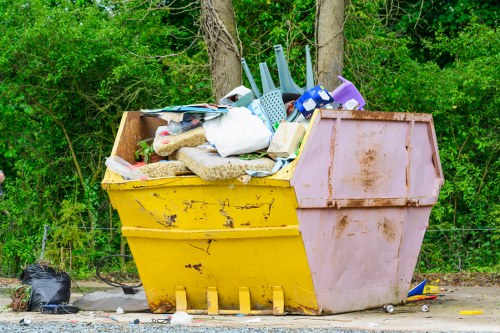
Recycling and Sustainability — House Clearance Brixton
House Clearance Brixton is committed to delivering practical clearances while prioritising the environment. Our approach to Brixton house clearance balances efficient rubbish removal with a clear focus on reuse, recycling and low-carbon operations. We work within the local boroughs' waste separation practices and align our processes to the Lambeth and neighbouring councils' expectations so that every clearance contributes to a greener Brixton.Our team brings experienced, respectful service to each property and applies sustainable choices at every stage. We operate as a local Brixton clearance service, using segregation at source to maximise the value of items for donation and recycling. By separating reusable furniture, textiles, electricals and recyclable packaging at the point of collection, we reduce the volume sent to landfill and increase the percentage of material diverted to circular pathways.
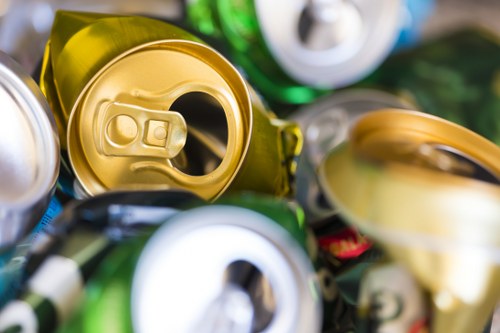 The waste separation systems in Lambeth and neighbouring boroughs inform our sorting: many areas collect paper, card, glass, plastics and metals either co-mingled or source-separated, while electricals and bulky items follow a different route. For house-clearance projects we follow these lines and further sort items into clear streams such as:
- Reusable furniture and household goods for charity donation
- Separate e-waste for specialist recycling
- Textiles and soft furnishings diverted to textile recyclers or reuse networks
- Hardcore and inert material sent to construction recycling where feasible
Our Recycling Percentage Target and Reporting
Clear targets drive action. We have set a formal recycling percentage target: our goal is to recycle or reuse 90% of all recoverable materials from house clearances, with a stretch aim of 95% for high-yield clearances by 2028. This target covers items that can be processed through reuse, charity redistribution, specialist recycling streams and borough transfer facilities rather than landfill or energy-from-waste where avoidable.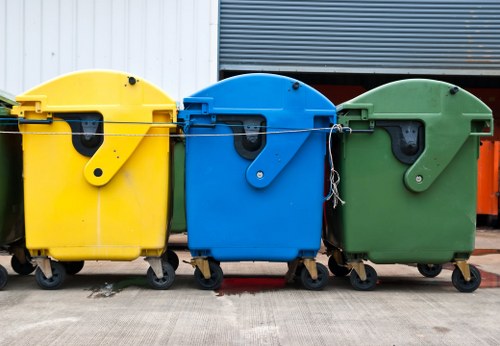 To meet this ambition we track each clearance through a simple reporting process: items logged at collection, destination recorded (charity, transfer station, specialist recycler) and final diversion percentage calculated per job. This transparency helps clients understand the environmental outcome and allows us to refine sorting practices continuously. We prioritise reuse first, then recycling, and only as a last resort recommend disposal for non-recoverable waste.
Local infrastructure is a key enabler. We work closely with Lambeth transfer facilities and neighbouring borough transfer stations — including Southwark and Croydon transfer points where appropriate — to ensure materials are handled by authorised processors. For hazardous items and specialist wastes (paints, solvents, certain batteries) we use licensed handlers to ensure legal and environmentally-sound treatment.
Charity Partnerships and Local Reuse Networks
Partnerships with charities and social enterprises form the heart of our reuse strategy. We collaborate with local furniture reuse charities, community projects and registered charitable networks to redirect good-quality items back into the community. By working with these partners we support social value — helping residents in Brixton and surrounding areas access household goods while keeping usable items out of the waste stream.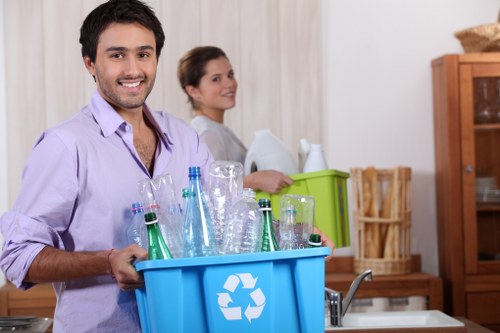 In addition to longstanding charity partners and local donation points, we engage community groups that run upcycling and repair workshops, textile reuse schemes and reuse hubs. These collaborations mean mattresses, sofas, tables and household appliances that are serviceable are offered to people in need or refurbished rather than shredded. Our partnerships are local-first, focused on Lambeth borough beneficiaries and nearby community organisations.
 Our logistics model also reduces carbon: we operate a fleet of low-carbon vans that includes electric vehicles and low-emission hybrids. Vehicles are maintained to high standards and routed using optimisation software to cut unnecessary mileage, giving a measurable reduction in per-job emissions compared with standard collections. For bulk or complex clearances we combine trips and consolidate loads to reduce vehicle kilometres and idling time.
Sustainable Rubbish Practices in Action — on site, our operatives sort into clear streams so that reuse, recycling and specialist recovery are maximised. Typical recycling activity relevant to Brixton clearances includes separate handling of: electricals (WEEE), textiles, cardboard/paper, glass, plastics, metals and bulky timber. We also segregate waste that requires construction recycling, for example plasterboard or masonry, ensuring it is taken to appropriate processing centres.
We adhere to London borough approaches to waste separation, recognising that some councils operate co-mingled collections while others have separate streams. Where possible we pre-sort to the highest common denominator so that materials are compatible with local transfer station requirements. Our aim is waste hierarchy adherence: prevent, reuse, recycle, recover, and responsibly dispose.
Commitment to continuous improvement. We review diversion rates quarterly, update our fleet and routing practices, and expand charity networks to increase local reuse opportunities. By choosing a sustainable house clearance option in Brixton you support a circular approach that benefits communities and reduces environmental impact. Our promise is clear: measurable targets, local partnerships, responsible transfer routing and low-carbon vehicles — all working together to make house clearance in Brixton as eco-friendly as possible.